πŸͺΆ πŸƒ 🐦
πŸ”¬ Computational Biology Β· Citizen Science

Turn bird calls into real student understanding of the environment.

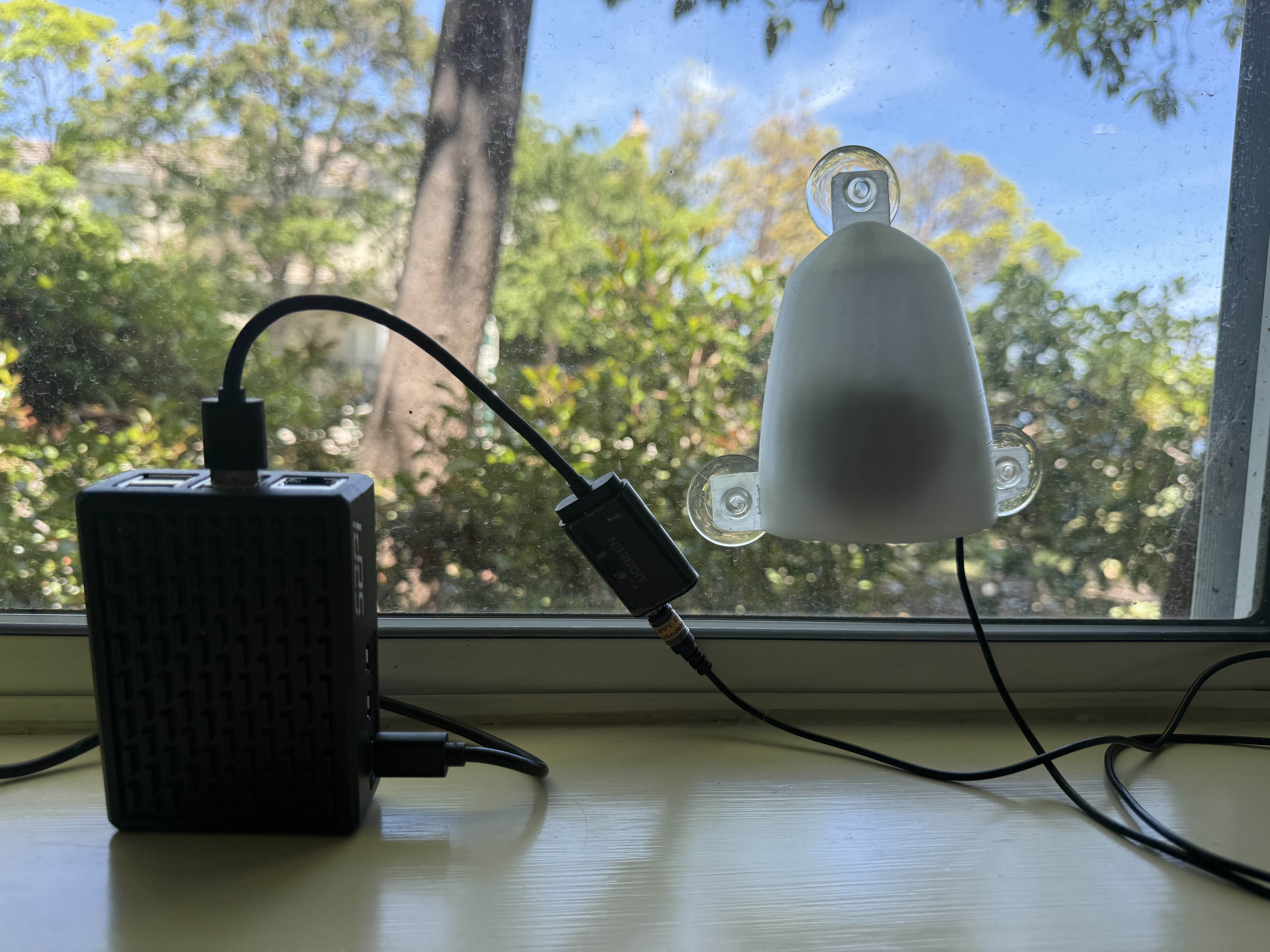
WREN builds and donates AI-powered listening stations β€” a Raspberry Pi running open-source BirdNet-Go β€” to schools and marine institutes, so students can discover the birds in their own backyard and contribute to global science.

6,000+bird species the AI can hear
~5Wpower Β· runs 24/7
100%open source & free to schools
● LIVE DETECTION
πŸŽ™οΈMic outside
β†’
Raspberry Pi
β†’
πŸ€–BirdNet AI
🐦 Anna's Hummingbird detected94%
Powered by BirdNet (Cornell Lab of Ornithology) β€’ Built on BirdNet-Go open source β€’ Data shared with BirdWeather
🌿 Our Mission

Hands-on science, powered by the birds outside the window

WREN distributes BirdNet-Go systems to classrooms, giving students the tools to understand their local ecosystems by monitoring the sounds of their local birds

🧬

Computational biology

Students see real machine learning at work β€” turning raw audio into spectrograms and species predictions with a neural network.

πŸ“š

Place-based learning

Lessons connect to the birds in your schoolyard, making biology and environmental science tangible and local.

🌎

Global impact

Every detection is shared with BirdWeather, contributing to worldwide citizen-science datasets used by real researchers.

βš™οΈ How it works

From a chirp outside to data scientists worldwide

The whole pipeline runs on a tiny computer the size of a deck of cards β€” no field researchers needed.

πŸŽ™οΈ

1 Β· Listen

A weatherproof microphone records 48kHz audio outdoors, 24/7.

2 Β· Process

The Raspberry Pi splits audio into 3-second chunks and filters noise.

πŸ€–

3 Β· Identify

BirdNet's neural net reads the spectrogram and names the species.

πŸ“Š

4 Β· Display

Detections appear live on a local web dashboard with confidence scores.

🌍

5 Β· Share

Verified detections are sent to BirdWeather for global research.

πŸ”¬ The computational biology

How a computer learns to hear a bird

Bioacoustics sits at the intersection of biology, physics, and computer science β€” and it's the perfect way to make AI concrete for students.

πŸ”Š Sound becomes an image

A Fast Fourier Transform converts each audio clip into a spectrogram β€” a 2D picture of frequency over time. Every species has its own visual "fingerprint."

🧠 A neural network reads it

A convolutional neural network (CNN) β€” the same kind of model used for image recognition β€” classifies that spectrogram and outputs a probability for each species.

πŸ“ˆ Confidence & analysis

Each detection comes with a confidence score, stored in a local SQLite database. Students can export the data and analyze it in Python with pandas and matplotlib.

β–Έ Live spectrogram
audio β†’ FFT β†’ spectrogram β†’ CNN β†’ species
The hardware

A research lab that fits in your hand

Low cost, low power, and fully programmable β€” the BirdPi is built to run quietly in a classroom for years.

BirdPi station
  • PlatformPlatform Raspberry Pi in an indoor enclosure
  • MicrophoneWeatherproof outdoor housing, 48kHz audio
  • SoftwareBirdNet-Go β€” open source, written in Go
  • Power~5W Β· runs continuously, plugs in indoors
  • OutputLocal web dashboard + BirdWeather cloud API
πŸ“‘ Why it matters

Birds are important indicators of ecosystem health

Acoustic monitoring is passive, scalable, and runs around the clock. Every station adds to a picture researchers can't build alone.

0bird species identifiable by the AI
0BirdWeather stations worldwide
0estimated decline in N. American birds since 1970
24/7continuous, non-invasive monitoring

North America has lost ~3 billion birds since 1970 (Cornell Lab, 2019). Monitoring at scale has never mattered more.

πŸ“š Classroom-ready lessons

Every BirdPi comes with a lesson plan

Standards-friendly presentations that walk students through the science, the system, and a hands-on activity. Download and preview them below.

🦜 Grades 6–8

Middle School: Listen Up!

  • 🐦 Why birds matter as environmental sensors
  • βš™οΈ How the detector works, step by step
  • πŸ” Bay Area birds you might find
  • πŸŽ‰ A predict-map-track class activity
⬇ Download (.pptx)
🧬 Grades 9–12

High School: Computational Bioacoustics

  • πŸ€– Machine learning, CNNs & spectrograms
  • Embedded systems & software architecture
  • πŸ“Š Data collection & analysis in Python
  • 🌐 Citizen science & open data
⬇ Download (.pptx)
🎁 Request a unit

Bring a BirdPi to your classroom

Are you a teacher, administrator, or educator at a school? Tell us about your class and we'll work to send you a free BirdNet-Go station and lesson plan.

πŸ”’ We only use your info to coordinate your BirdPi. No spam, ever.